
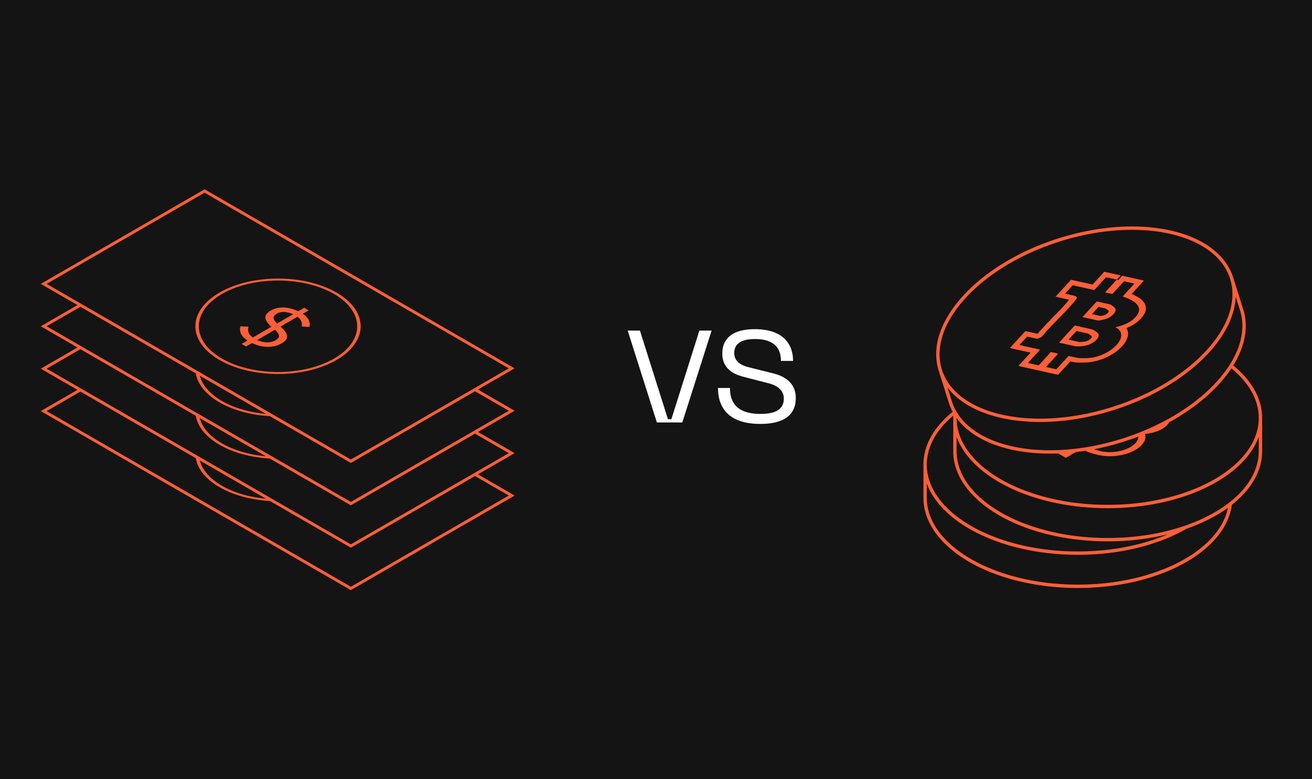
Bitnomial Exchange is the only U.S.-regulated exchange offering perpetual futures, futures, and options that settle in crypto or "physical settlement". While most U.S. crypto derivatives settle in fiat, Bitnomial's contracts deliver actual digital assets at expiration.
This distinction opens up real ownership, digital assets as margin, and trading strategies unavailable with cash-only futures.
Why Settling in Crypto Makes a Difference
When a futures contract settles directly in crypto, your position at expiration becomes the asset itself. That means no extra steps of buying on the spot market, no slippage, and no conversion fees. This type of settlement also creates better hedges for real-world exposure: miners, treasuries, and funds that hold digital assets and need the underlying asset itself.
Because delivery is tied to the token, these futures are also more closely anchored to real supply and demand in the crypto market, rather than drifting from spot. Traders can post their digital assets as margin collateral, manage risk, and ultimately receive crypto at settlement. This significantly reduces friction between derivatives positions and on-chain ownership.
How It Works
Trading these contracts is simple. You can freely open and close positions in these contracts at any time before expiration, using either fiat or digital assets for margin. If you choose to hold your position all the way through to the contract’s final expiration, you will deliver or receive actual crypto as settlement. This means that, unlike cash-settled contracts, you gain true ownership of the underlying asset if you maintain your position until settlement.
Fiat vs. Crypto Settlement
| Feature | Fiat Settlement | Crypto Settlement |
|---|---|---|
| Asset Delivered | None | Actual Crypto |
| Price Discovery | Limited impact | Anchored in supply/demand |
| Crypto as Margin | Not allowed | Allowed |
| U.S. Availability | Multiple exchanges | Bitnomial only |
The Double Collateralization Problem
In crypto-settled futures, shorts must deliver the actual asset at expiry. If margin is held in fiat, a trader ends up using cash as margin and sourcing their digital asset for delivery, effectively double funding the position. Allowing digital assets as margin solves this inefficiency: the same collateral can both cover margin requirements and then settle the contract. Currently, Bitnomial is the only exchange offering crypto-settled futures and allowing digital assets as margin.
Who Benefits Most
Mining Operations
Bitcoin miners can use crypto-settled futures to lock in future bitcoin prices, helping them plan revenues more predictably. Instead of relying solely on uncertain market conditions, they can secure a known sale price for part of their production. Settlement in bitcoin also ensures they receive the asset they need for ongoing operational expenses, like electricity or hardware. This allows them to hedge volatility while still keeping exposure to their mined bitcoin.
ETFs and Issuers
Crypto-settled derivatives provide ETFs with a regulated pathway to gain and manage exposure while holding the underlying asset. Delivery supports fund structures that require actual ownership to meet prospectus and custodian obligations. Futures can also improve capital efficiency by letting ETFs adjust exposure without frequent spot market transactions. This allows issuers to better serve investors while staying aligned with regulatory standards.
Institutional Portfolios
Funds that must hold actual digital assets for custodial or compliance reasons can use crypto-settled derivatives to hedge while staying aligned with spot ownership requirements. These contracts support more sophisticated strategies, such as options overlays, where delivery of the asset is required.
Retail Traders
Retail traders gain access to ownership and leverage without the challenges of navigating unregulated exchanges. The clearinghouse structure also lowers counterparty risk, offering stronger protections compared to trading on offshore venues. This makes crypto-settled futures an efficient entry point for individuals who want both leverage and security.
Corporate Treasuries
Companies that hold crypto on their balance sheets can use crypto-settled futures to manage treasury risk more effectively. Delivery ensures they are transacting in the same asset they report, keeping accounting and custody straightforward. Futures allow them to hedge downside exposure without liquidating core holdings, helping smooth earnings volatility. This makes them a useful tool for firms balancing long-term conviction with short-term financial discipline.
The Bottom Line
Most U.S. crypto futures are designed for cash settlement. Bitnomial’s contracts are different: they connect regulated futures directly to the underlying asset, enabling real delivery of digital assets at expiry and allowing for crypto-margining. For miners, institutions, treasuries, and traders who value actual crypto ownership, that distinction makes all the difference.